

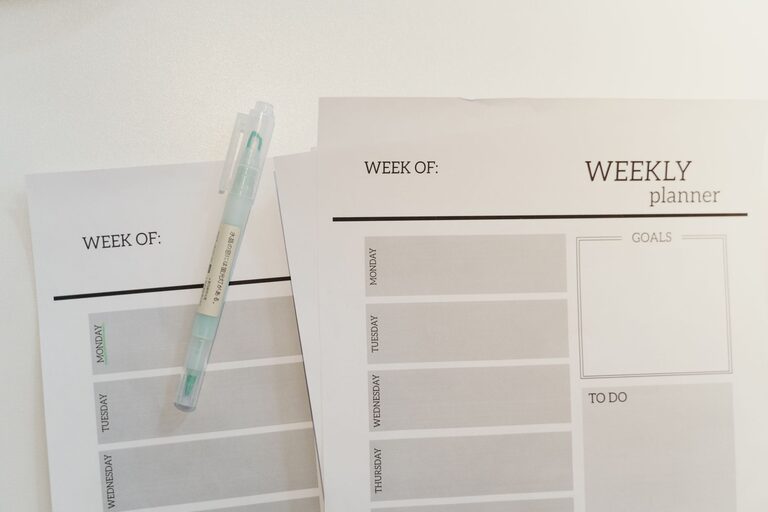
Setting weekly goals is a powerful way to stay organized and motivated. However, unrealistic goals can lead to frustration and burnout. To make the most of your time, it’s important to focus on setting goals that are achievable and meaningful. This guide will walk you through the steps to set realistic weekly goals and maintain steady progress toward your larger objectives.
Why Set Weekly Goals?
Weekly goals break down larger projects into manageable chunks. They give you a clear focus for each week, allowing you to prioritize tasks and track your progress more effectively. When goals are realistic, you’re more likely to feel accomplished and motivated, which fuels continued productivity.
Steps to Set Realistic Weekly Goals
1. Reflect on Your Long-Term Goals
Start by reviewing your long-term plans. Weekly goals should align with these broader objectives. For example, if your yearly goal is to improve your fitness, your weekly goal might be to exercise three times. This connection ensures your weekly efforts contribute to meaningful progress.
2. Assess Your Current Capacity
Be honest about your available time and energy. Consider your work schedule, family commitments, and personal downtime. Avoid overloading your week with too many goals. It’s better to succeed with fewer tasks than to fall behind because you set too much.
3. Prioritize Your Goals
List all tasks or objectives you’d like to accomplish and then prioritize them based on urgency and importance. Use methods like the Eisenhower Matrix (urgent vs. important) to decide what should come first. Focus on high-priority tasks that deliver the greatest impact.
4. Make Goals Specific and Measurable
Ambiguous goals can be confusing. Instead of “exercise more,” choose “walk 30 minutes on Monday, Wednesday, and Friday.” Clear, measurable goals help you evaluate your progress and celebrate successes.
5. Break Goals Into Smaller Steps
Large goals can feel overwhelming. Break them into actionable steps you can complete within the week. For example, if your goal is to write a report, your weekly tasks might include researching, drafting an outline, and writing a first draft.
6. Use Time Blocks and Set Deadlines
Assign specific time blocks for your tasks. This helps avoid procrastination and ensures you dedicate focused effort. Deadlines create a sense of urgency without adding unnecessary pressure.
7. Review and Adjust Weekly
At the end of each week, reflect on what you accomplished and what you didn’t. Understand the reasons behind any setbacks and adjust your next week’s goals accordingly. Flexibility is important to maintain realistic expectations.
Tips for Staying on Track
Keep Your Goals Visible
Write your goals down and place them somewhere you’ll see regularly, like a planner or digital app. This constant reminder keeps your priorities clear.
Limit the Number of Weekly Goals
Focus on 3 to 5 goals per week. This prevents overwhelm and helps you maintain quality in your work.
Celebrate Small Wins
Recognize and reward yourself for completing weekly goals. This positive reinforcement encourages continued effort.
Use Tools and Apps
Consider using productivity apps or planners to organize your goals and deadlines. Many tools offer reminders and progress tracking features.
Stay Flexible and Kind to Yourself
Sometimes unexpected events disrupt your plans. It’s okay to adjust your goals and timelines. The aim is steady progress, not perfection.
Common Mistakes to Avoid
– Setting vague goals: Avoid goals that lack clear criteria or deadlines.
– Overloading your schedule: Trying to do too much leads to burnout.
– Ignoring your limitations: Be realistic about what you can achieve given your current circumstances.
– Not reviewing progress: Without regular check-ins, it’s easy to lose direction.
– Neglecting balance: Don’t sacrifice rest or personal time for goals.
Sample Weekly Goal Plan
| Goal | Specific Tasks | Deadline | Priority |
|————————–|———————————————–|————–|———-|
| Improve fitness | Walk 30 minutes on Mon, Wed, Fri | End of week | High |
| Complete project report | Research (Mon), Outline (Tue), Draft (Thu) | Friday | High |
| Declutter workspace | Sort papers, organize desk | Wednesday | Medium |
This example breaks goals into clear tasks with deadlines and priorities, making the week manageable and focused.
Final Thoughts
Setting realistic weekly goals is about balance—challenging yourself enough to grow but not so much that you become overwhelmed. By aligning your goals with your long-term plans, prioritizing effectively, and regularly reviewing progress, you’ll find that weekly goal-setting becomes a valuable tool for productivity and motivation.
Remember, the key is to keep goals specific, measurable, and flexible. With practice, you’ll discover a rhythm that works best for you and leads to consistent success. Happy goal setting!