

Cleaning up after dinner can often feel like a tedious chore that extends the time you spend in the kitchen. But with a few smart strategies, it’s possible to make dinner cleanup easier and more efficient. Whether you’re cooking for one or a family, these ideas can help you reduce mess, save time, and keep your kitchen organized.
Plan Ahead to Minimize Mess
Prep Ingredients Before Cooking
Getting your ingredients ready before you start cooking—known as “mise en place”—not only streamlines the cooking process but also reduces the number of dishes you use throughout. Measure, chop, and portion your ingredients into bowls or containers. This way, you can avoid dirtying additional dishes while cooking.
Use One-Pot or One-Pan Meals
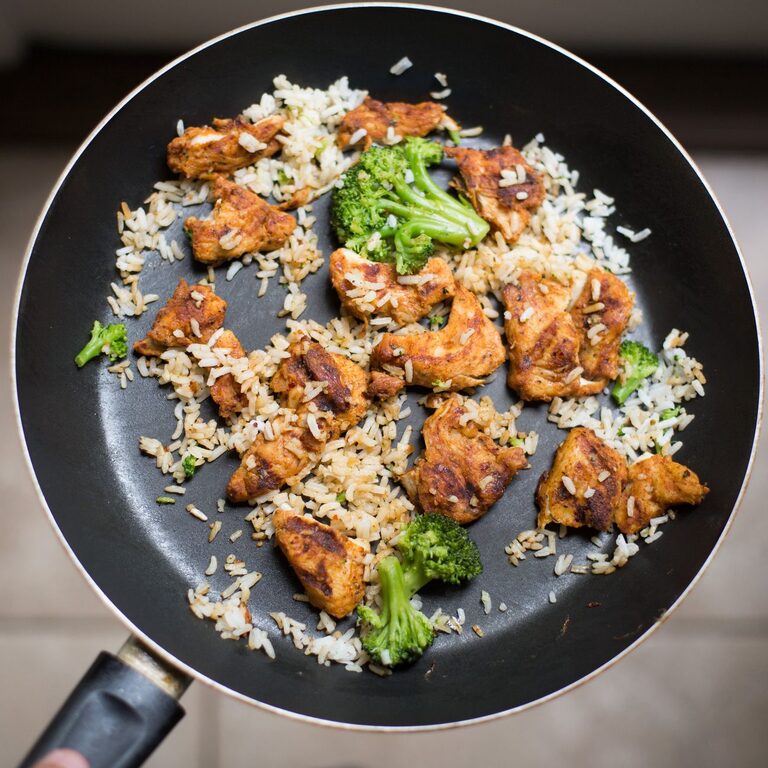
One of the easiest ways to cut down on cleanup is to cook meals that use only one pot, pan, or baking dish. Think about dishes like stir-fries, casseroles, or sheet pan meals. These recipes often combine protein, vegetables, and grains in a single dish, so there are fewer pots and pans to wash afterward.
Adopt Smart Cooking Tools and Techniques
Invest in Non-Stick Cookware
Non-stick pans and bakeware are easier to clean and often require less oil for cooking. They can save you time scrubbing stuck food off pots and pans. Just be sure to use appropriate utensils to protect the non-stick surface.
Use Silicone Baking Mats or Parchment Paper
Lining your baking trays with reusable silicone mats or parchment paper prevents food from sticking and makes cleanup a breeze. Instead of scrubbing trays, you can simply lift out the mat or discard the paper, saving precious time.
Utilize Slow Cookers or Instant Pots
Slow cookers and Instant Pots reduce the number of kitchen tools you need and often cook food in one container. Plus, many inserts are dishwasher-safe. Simply transfer your meal, and toss the removable parts in the dishwasher.
Clean as You Go
Wash or Soak Dishes While Cooking
Instead of letting dishes pile up, try washing or at least soaking pots, utensils, and cutting boards during cooking or while food simmers. Soaking helps loosen food particles, making scrubbing easier after the meal.
Wipe Surfaces Immediately
Keeping a damp cloth or sponge handy and wiping down countertops, stove tops, and spills right away prevents buildup and sticky messes. This habit reduces the overall cleaning time once dinner is finished.
Keep a Trash Bowl on the Counter
Place a bowl nearby while preparing food to collect scraps like vegetable peels and packaging. This keeps your workspace tidy and minimizes trips to the trash, which can clutter your hands and slow you down.
Organize Your Cleanup Routine
Load the Dishwasher Strategically
Arrange dishwasher items as you cook to maximize space and prevent delays after dinner. If you don’t have a dishwasher, designate a spot near the sink to stack dirty dishes so they don’t spread across the kitchen.
Establish a Team Cleanup
If you share your household with family or roommates, divide cleanup tasks to make the process quicker and less burdensome. One can clear the table, another can wash dishes, and someone else can wipe surfaces. Teamwork makes dinner cleanup more enjoyable.
Use Multipurpose Cleaners
Keep a gentle, all-purpose cleaner in the kitchen for quick surface wipes and spills. Using a single cleaner for counters, stovetops, and even appliance exteriors simplifies the process and reduces clutter under the sink.
Store Leftovers Efficiently
Use Clear, Stackable Containers
Pack leftovers in containers that stack neatly in the refrigerator. This keeps your fridge organized and reduces the risk of spills or food waste. Plus, clear containers let you quickly see what’s inside without opening them.
Label and Date Leftovers
Mark containers with labels or a dry-erase marker indicating what’s inside and when it was stored. This simple step saves time searching for food later and helps prevent forgotten leftovers that spoil.
Adopt Simple Habits for Long-Term Benefits
Keep a Sink Basket or Caddy
Having a small basket or caddy near your sink stocked with sponges, dish soap, and brushes makes it easy to start cleaning immediately and keeps your supplies organized.
Limit the Number of Serving Dishes
Try serving food family-style directly from pots or pans instead of multiple serving bowls. Fewer dishes used means less to wash.
Rinse Dishes Before Storing
Rinsing dishes right after use prevents food from hardening, which makes washing easier later on.
—
By incorporating these simple ideas into your routine, you can significantly reduce the time and effort spent cleaning up after dinner. Not only will your kitchen stay tidier, but you’ll also have more time to relax and enjoy your evening. Give a few of these tips a try and watch your dinner cleanup become a quicker, less stressful part of your daily routine.